Shopping Cart
Sub Total:
$0
Total:
$0
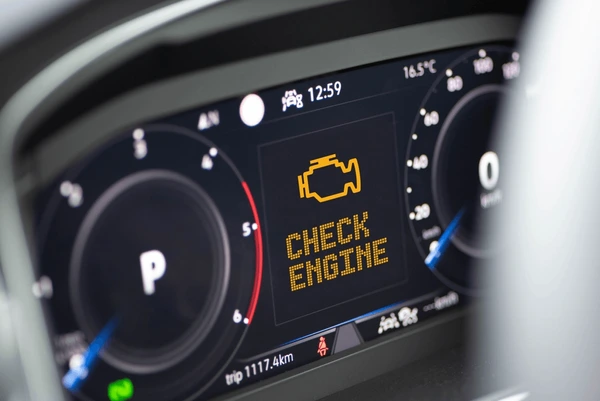
Listen to Your Engine
Strange noises can be the first clue something’s wrong. Pay attention to knocking, ticking, or grinding sounds which may indicate worn parts or lubrication problems.
Check Engine Performance
Notice if your car hesitates, stalls, or loses power. These symptoms often point to fuel, air, or ignition system issues that need diagnosis.
Inspect Fluids
Low or dirty engine oil, coolant leaks, or transmission fluid problems can cause overheating and damage. Regularly check fluid levels and look for unusual colors or smells.
Use an OBD-II Scanner
A simple diagnostic tool that reads trouble codes from your car’s computer can help pinpoint issues quickly and accurately.
Observe Exhaust Smoke
Different smoke colors mean different problems: white for coolant leaks, blue for burning oil, black for rich fuel mixtures. This can narrow down the diagnosis.
Check Battery and Electrical System
Weak batteries or corroded terminals can cause starting problems and trigger warning lights. Inspect and clean connections regularly.